Category: BLOG

Top 50 Popular Girls Names in Japan (2026)

Top 50 Popular Girls Names in Japan (2026)

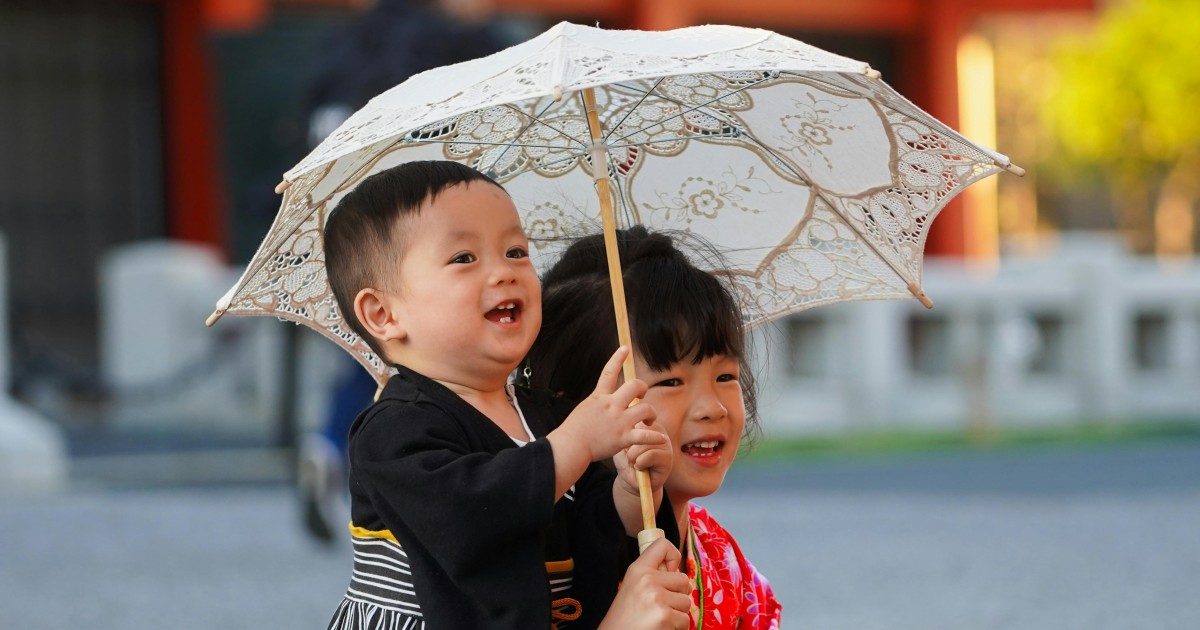
Choosing a name is one of the most meaningful decisions you can make, and if you’re exploring top 50 popular girls names in Japan, you’re stepping into a world of beauty, culture, and symbolism. Japanese names often carry deep meanings connected to nature, seasons, and emotions. Top 50 Popular Girls Names in Japan (2026).

If you want a more detailed breakdown with meanings, trends, and unique variations, this complete Japanese girls names guide is incredibly helpful:
https://holidaytousa.com/top-50-popular-girls-names-in-japan-2025-guide/

Many readers turn to this in-depth naming resource to understand not just the names themselves, but also the cultural context behind them.


Why Japanese Girl Names Are So Unique

Japanese names are not just sounds—they are stories written in characters (kanji).

Key Features:

  • Each name can have multiple meanings depending on kanji
  • Strong connection to nature (flowers, seasons, light)
  • Emphasis on beauty, grace, and positivity

For parents and name enthusiasts, this makes Japanese names both meaningful and flexible.


Top 50 Popular Girls Names in Japan (With Meanings)

Here’s a curated list of popular Japanese girl names and their general meanings:

Classic & Elegant Names

  1. Aoi – Blue / Hollyhock flower
  2. Yui – Gentle / Tie
  3. Sakura – Cherry blossom
  4. Hana – Flower
  5. Mei – Bright / Bud
  6. Rin – Dignified
  7. Hina – Sun / Greens
  8. Akari – Light
  9. Mio – Beautiful cherry blossom
  10. Yuna – Kind / Gentle

Modern & Trendy Names

  1. Riko – Child of truth
  2. Koharu – Little spring
  3. Ichika – One flower
  4. Himari – Sunflower / Light
  5. Saki – Blossom / Hope
  6. Niko – Smile
  7. Ema – Blessing / Favor
  8. Rio – Jasmine
  9. Sara – Pure / Clear
  10. Noa – Love / Affection

For a deeper exploration of meanings and variations, this expanded list of Japanese girl names offers additional insights:
https://holidaytousa.com/top-50-popular-girls-names-in-japan-2025-guide/


Nature-Inspired Names

  1. Kaede – Maple leaf
  2. Haruka – Distant / Spring fragrance
  3. Nanami – Seven seas
  4. Asuka – Tomorrow fragrance
  5. Hotaru – Firefly
  6. Suzume – Sparrow
  7. Midori – Green
  8. Umi – Ocean
  9. Sora – Sky
  10. Hikari – Light

Cute & Soft-Sounding Names

  1. Miku – Beautiful sky
  2. Rina – Jasmine village
  3. Aika – Love song
  4. Yuka – Gentle flower
  5. Chika – Wisdom flower
  6. Ayaka – Colorful flower
  7. Erika – Blessed pear
  8. Manami – Love beauty
  9. Kanna – God’s grace
  10. Rumi – Beauty / Flow

Unique & Meaningful Names

  1. Izumi – Fountain / Spring
  2. Tomomi – Wise beauty
  3. Reika – Elegant flower
  4. Sayuri – Small lily
  5. Misaki – Beautiful blossom
  6. Ayumi – Walking beauty
  7. Natsuki – Summer hope
  8. Fumika – Literary fragrance
  9. Yuriko – Lily child
  10. Keiko – Blessed child

How to Choose the Right Japanese Name

Choosing the perfect name depends on your intention and connection.

Helpful Tips:

  • Focus on meaning first, not just sound
  • Consider cultural significance
  • Think about pronunciation in your language
  • Choose a name that feels personal and timeless

For a more structured approach, this complete naming guide helps simplify the process:
https://holidaytousa.com/top-50-popular-girls-names-in-japan-2025-guide/


Learn More: Complete Japanese Names Guide

If you’re serious about understanding Japanese names beyond a simple list, this is where things get more meaningful.

The most comprehensive guide to popular Japanese girls names, meanings, and trends is available here:
https://holidaytousa.com/top-50-popular-girls-names-in-japan-2025-guide/

Inside, you’ll discover:

  • Deeper meanings of each name
  • Cultural and seasonal influences
  • Name combinations and variations
  • Trends shaping modern Japanese names

It’s especially useful if you want a name that carries both beauty and authenticity.


Trends in Japanese Girl Names (2026)

Modern naming trends in Japan reflect changing values.

Current Trends:

  • Short, two-syllable names
  • Nature-inspired meanings
  • Soft and feminine sounds
  • Unique kanji combinations

Names today balance tradition with modern simplicity.


Common Mistakes to Avoid

Watch Out For:

  • Choosing a name without understanding its meaning
  • Ignoring pronunciation challenges
  • Mixing cultural elements incorrectly
  • Picking trendy names that may fade quickly

A thoughtful approach always leads to better choices.


FAQs: Top 50 Popular Girls Names in Japan

What is the most popular girl name in Japan?

Names like Aoi, Yui, and Sakura are consistently popular.

Do Japanese names have meanings?

Yes, meanings depend on the kanji used.

Can non-Japanese people use Japanese names?

Yes, but it’s important to understand cultural context.

Are Japanese names based on nature?

Many of them are inspired by flowers, seasons, and natural elements.

Where can I find a detailed list with meanings?

You can explore this complete Japanese names guide for more insights:
https://holidaytousa.com/top-50-popular-girls-names-in-japan-2025-guide/


Conclusion

Exploring the top 50 popular girls names in Japan is more than just browsing names—it’s discovering a culture where language, beauty, and meaning come together.

If you want to go deeper and truly understand the stories behind these names, explore this in-depth Japanese girls names guide:
https://holidaytousa.com/top-50-popular-girls-names-in-japan-2025-guide/

It’s a valuable resource that can help you choose a name that feels both meaningful and timeless. Top 50 Popular Girls Names in Japan (2026).


Disclaimer:
This article is for informational purposes only. Name meanings and interpretations may vary based on kanji usage and cultural context.

Where Is Yellowstone National Park Located?

Where Is Yellowstone National Park Located?

If you’ve ever wondered “where is Yellowstone”, you’re not alone. This iconic national park is one of the most searched travel destinations in the United States—and for good reason. For a deeper, more detailed understanding of its location, routes, and travel planning, this complete Yellowstone travel guide is incredibly useful:
https://holidaytousa.com/where-is-yellowstone-your-complete-travel-guide/

Whether you’re planning your first visit or simply exploring from afar, knowing exactly where Yellowstone is—and what surrounds it—can completely change how you experience this natural wonder. Many travelers turn to this in-depth Yellowstone location guide to uncover insights that go beyond simple maps. Where Is Yellowstone National Park Located?.


Where Is Yellowstone National Park Located?

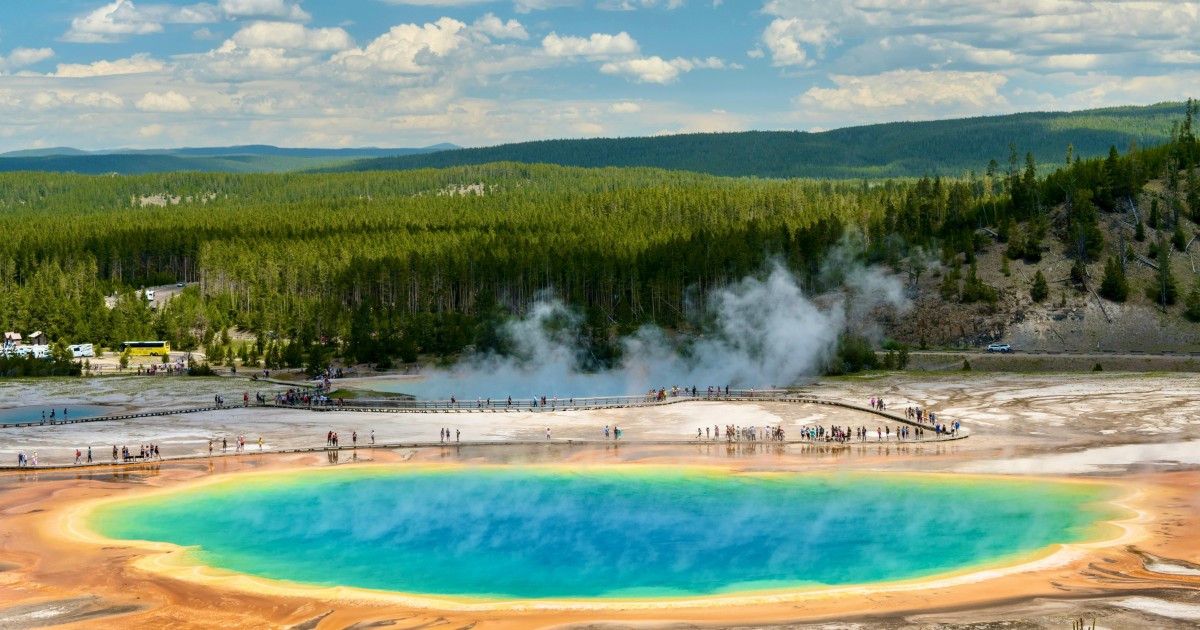
Yellowstone National Park is located in the western United States, primarily in the state of Wyoming.

Breakdown by State:

  • Wyoming – About 96% of the park
  • Montana – Around 3%
  • Idaho – About 1%

This unique positioning makes Yellowstone accessible from multiple directions, each offering a different scenic route.


Yellowstone’s Geographic Significance

Yellowstone isn’t just another national park—it sits on top of a massive volcanic system known as the Yellowstone Caldera.

Why This Matters:

  • Home to famous geysers like Old Faithful
  • Rich geothermal activity (hot springs, mud pots)
  • Unique ecosystems and wildlife

Its location is the reason behind its extraordinary natural features.


Major Cities Near Yellowstone

Understanding nearby cities can help with travel planning.

Closest Cities:

  • Jackson, Wyoming
  • Bozeman, Montana
  • Idaho Falls, Idaho

These cities serve as common entry points for visitors.

If you want a more detailed route breakdown and travel strategy, this complete Yellowstone planning resource offers deeper insights:
https://holidaytousa.com/where-is-yellowstone-your-complete-travel-guide/


How to Reach Yellowstone

Getting to Yellowstone depends on your starting point.

Travel Options:

  • By Air: Nearest airports include Jackson Hole and Bozeman
  • By Car: Scenic road trips are the most popular option
  • By Tour: Guided tours are available from major cities

Each route offers stunning views, making the journey part of the experience.


Best Time to Visit Yellowstone

Timing your visit can significantly impact your trip.

Seasonal Overview:

  • Spring: Fewer crowds, wildlife sightings
  • Summer: Peak season, full access
  • Fall: Beautiful landscapes, quieter atmosphere
  • Winter: Snow-covered beauty, limited access

Planning your visit carefully is essential, and this detailed Yellowstone travel guide helps you choose the best time:
https://holidaytousa.com/where-is-yellowstone-your-complete-travel-guide/


Learn More: Complete Yellowstone Guide

If you’re curious about more than just the location, this is where things get interesting.

The most comprehensive guide to Yellowstone’s location, attractions, and travel planning is available here:
https://holidaytousa.com/where-is-yellowstone-your-complete-travel-guide/

Inside, you’ll find:

  • Entry points and routes
  • Must-see attractions
  • Travel itineraries
  • Insider tips for first-time visitors

It’s especially helpful if you want to turn your curiosity into a well-planned trip.


What Makes Yellowstone So Famous?

Yellowstone stands out for several reasons:

Key Highlights:

  • World’s first national park
  • Over 10,000 geothermal features
  • Diverse wildlife including bison and wolves
  • Stunning landscapes—forests, rivers, and mountains

Its location plays a huge role in shaping these features.


Yellowstone Travel Tips for First-Time Visitors

Practical Advice:

  • Start early to avoid crowds
  • Stay inside or near the park
  • Carry essentials like water and maps
  • Respect wildlife and safety rules

These small steps can make a big difference in your experience.

For more detailed travel strategies, many travelers explore this full Yellowstone visitor guide:
https://holidaytousa.com/where-is-yellowstone-your-complete-travel-guide/


FAQs: Where Is Yellowstone?

Which state is Yellowstone in?

Mostly Wyoming, with small parts in Montana and Idaho.

Is Yellowstone close to any major city?

Yes, cities like Bozeman and Jackson are nearby.

Can you visit Yellowstone year-round?

Yes, but access varies by season.

Why is Yellowstone famous?

Because of its geothermal features, wildlife, and natural beauty.

Where can I find a detailed travel plan?

You can explore this complete Yellowstone guide for full details:
https://holidaytousa.com/where-is-yellowstone-your-complete-travel-guide/


Conclusion

So, where is Yellowstone? It’s not just a point on the map—it’s a vast, living landscape spread across Wyoming, Montana, and Idaho, filled with natural wonders that attract millions of visitors every year.

If you want to truly understand how to explore it, plan your journey, and make the most of your visit, take the next step and explore this in-depth Yellowstone travel guide:
https://holidaytousa.com/where-is-yellowstone-your-complete-travel-guide/

It’s the kind of resource that turns a simple question into a memorable travel experience. Where Is Yellowstone National Park Located?.


Disclaimer:
This article is for informational purposes only. Travel conditions, accessibility, and park regulations may change. Always check official sources before planning your visit.

Best Countries for Solo Travel in 2026

Best Countries for Solo Travel in 2026

Traveling alone is no longer just a trend—it’s a life-changing experience. Whether you’re seeking freedom, self-discovery, or adventure, choosing the best countries for solo travel can make all the difference. If you’re looking for a carefully curated list with deeper insights, this complete solo travel destination guide is worth exploring:
https://holidaytousa.com/best-countries-for-solo-travel-safe-scenic-and-soulful-escapes/

In fact, many experienced travelers rely on this in-depth solo travel resource to discover destinations that balance safety, beauty, and meaningful experiences—something that goes beyond typical travel lists. Best Countries for Solo Travel in 2026.


What Makes a Country Ideal for Solo Travel?

Not every destination is equally suited for solo travelers. The best countries usually share a few key qualities:

Essential Factors:

  • Safety and low crime rates
  • Easy transportation and connectivity
  • Friendly locals and welcoming culture
  • Affordable accommodation and food
  • Strong tourism infrastructure

When these elements come together, traveling alone feels empowering rather than overwhelming.


Best Countries for Solo Travel in 2026

Here are some of the most recommended destinations for solo travelers today:

Japan – Safe, Organized, and Unique

Japan is often at the top of solo travel lists for a reason:

  • Extremely safe cities
  • Efficient public transport
  • Rich cultural experiences

From Tokyo’s energy to Kyoto’s calm temples, Japan offers balance and structure—perfect for solo exploration.


Iceland – Nature and Peace

If solitude in nature calls you, Iceland delivers:

  • Stunning waterfalls and glaciers
  • Low population density
  • High safety levels

It’s ideal for introspective journeys and scenic road trips.


Portugal – Budget-Friendly European Charm

Portugal is gaining popularity among solo travelers:

  • Affordable compared to Western Europe
  • Friendly locals
  • Beautiful coastal towns

Lisbon and Porto are especially welcoming for first-time solo explorers.


Thailand – Easy and Social

Thailand is a classic choice:

  • Well-developed tourism network
  • Affordable travel
  • Strong backpacker community

It’s easy to meet fellow travelers while still enjoying independence.

For more destinations and deeper travel insights, this expanded solo travel country guide provides valuable details:
https://holidaytousa.com/best-countries-for-solo-travel-safe-scenic-and-soulful-escapes/


Solo Travel Benefits You Can’t Ignore

Traveling alone offers something group travel often cannot.

Key Advantages:

  • Complete freedom to plan your trip
  • Time for self-reflection and growth
  • Opportunities to meet new people
  • Improved confidence and independence

Solo travel isn’t just about places—it’s about personal transformation.


Safety Tips for Solo Travelers

Even in the safest countries, awareness matters.

Practical Safety Tips:

  • Keep digital and physical copies of documents
  • Share your itinerary with someone you trust
  • Avoid isolated areas at night
  • Trust your instincts
  • Stay connected via mobile apps

Many of these tips are explained in more detail in this comprehensive solo travel planning guide:
https://holidaytousa.com/best-countries-for-solo-travel-safe-scenic-and-soulful-escapes/


Learn More: Complete Solo Travel Guide

If you’re serious about planning your first or next solo trip, surface-level advice isn’t enough.

The most complete guide to safe, scenic, and soulful solo travel destinations is available here:
https://holidaytousa.com/best-countries-for-solo-travel-safe-scenic-and-soulful-escapes/

Inside, you’ll discover:

  • More country recommendations
  • Travel styles for different personalities
  • Budget tips and route ideas
  • Insights that help avoid common mistakes

It’s especially helpful if you want to travel smarter, not just farther.


Budget vs Luxury Solo Travel Destinations

Budget-Friendly Options:

  • Thailand
  • Vietnam
  • Portugal

Mid-Range Comfort:

  • Japan
  • Spain
  • South Korea

Luxury Experiences:

  • Switzerland
  • Norway
  • New Zealand

Choosing the right destination depends on your travel goals and financial comfort.


Common Mistakes First-Time Solo Travelers Make

Avoid These Pitfalls:

  • Overplanning every minute
  • Ignoring local culture and customs
  • Packing too much
  • Skipping travel insurance
  • Choosing unsafe areas to save money

Learning from others’ mistakes can make your journey smoother and more enjoyable.


FAQs: Best Countries for Solo Travel

Which country is safest for solo travel?

Japan and Iceland are often ranked among the safest.

Is solo travel expensive?

It depends on the destination. Countries like Thailand and Portugal are budget-friendly.

How do I choose the best country for solo travel?

Consider safety, budget, language comfort, and your personal travel style.

Is solo travel good for beginners?

Yes, especially in countries with strong tourism infrastructure.

Where can I find a complete list of destinations?

You can explore this full solo travel country guide for detailed recommendations:
https://holidaytousa.com/best-countries-for-solo-travel-safe-scenic-and-soulful-escapes/


Conclusion

Choosing the best countries for solo travel isn’t just about safety or scenery—it’s about finding a place that aligns with your personal journey. Whether you’re looking for adventure, peace, or cultural immersion, the world offers endless possibilities for solo explorers.

If you want to go beyond basic lists and truly understand where and how to travel alone with confidence, explore this complete solo travel guide:
https://holidaytousa.com/best-countries-for-solo-travel-safe-scenic-and-soulful-escapes/

It’s a valuable resource that can turn your solo trip into a meaningful and unforgettable experience. Best Countries for Solo Travel in 2026.


Disclaimer:
This article is for informational purposes only. Travel conditions, safety, and experiences may vary. Always research and plan according to your personal circumstances before traveling.

East Coast of the United States Travel Guide

East Coast of the United States Travel Guide

The East Coast of the United States is where history meets modern life in the most fascinating way. From centuries-old landmarks to vibrant cities and scenic coastlines, this region offers something for every traveler. If you’re planning a trip or simply curious, this complete East Coast travel guide is a great place to explore deeper insights:
https://holidaytousa.com/exploring-the-east-coast-of-the-united-states-a-complete-guide/

Whether it’s your first visit or a return journey, understanding what makes this region unique can transform your experience. For a more detailed breakdown of destinations, routes, and hidden gems, the in-depth East Coast exploration guide above provides valuable context beyond the basics. East Coast of the United States Travel Guide.


What Is the East Coast of the United States?

The East Coast refers to the states along the Atlantic Ocean, stretching from Maine in the north to Florida in the south.

Key Regions:

  • New England (Maine, Massachusetts, Vermont, etc.)
  • Mid-Atlantic (New York, New Jersey, Pennsylvania)
  • Southeast (Florida, Georgia, Carolinas, Virginia)

Each region has its own personality—from quiet coastal towns to bustling metropolitan cities.


Top Cities to Visit on the East Coast

New York City

A global icon known for its skyline, culture, and energy. Perfect for:

  • Times Square
  • Central Park
  • Museums and Broadway

Washington, D.C.

The political heart of the country with rich history:

  • Monuments and memorials
  • Smithsonian museums
  • Historic neighborhoods

Boston

A city where American history comes alive:

  • Freedom Trail
  • Colonial architecture
  • Academic culture

Miami

A vibrant coastal city offering:

  • Beaches and nightlife
  • Latin culture
  • Warm weather year-round

For travelers who want curated itineraries and deeper planning insights, this detailed East Coast travel resource is worth exploring:
https://holidaytousa.com/exploring-the-east-coast-of-the-united-states-a-complete-guide/


Natural Beauty Along the East Coast

The East Coast isn’t just cities—it’s packed with breathtaking landscapes.

Coastal Highlights:

  • Sandy beaches in Florida
  • Rocky shores in Maine
  • Barrier islands in the Carolinas

Mountains and Parks:

  • Appalachian Mountains
  • National parks and scenic drives
  • Fall foliage in New England

These natural contrasts make the region incredibly diverse for travelers.


Cultural Diversity and Lifestyle

One of the most compelling aspects of the East Coast is its cultural richness.

What You’ll Experience:

  • A mix of global cuisines
  • Diverse communities
  • Historical landmarks and traditions
  • Modern urban lifestyles

Cities like New York and Miami reflect global influences, while smaller towns preserve traditional American charm.


Best Time to Visit the East Coast

Timing can completely change your experience.

Seasonal Breakdown:

  • Spring (March–May): Pleasant weather, fewer crowds
  • Summer (June–August): Ideal for beaches and festivals
  • Fall (September–November): Stunning foliage, cooler climate
  • Winter (December–February): Snow in the north, mild in the south

Planning your trip based on season is essential, and this complete East Coast planning guide offers helpful timing tips:
https://holidaytousa.com/exploring-the-east-coast-of-the-united-states-a-complete-guide/


Travel Tips for First-Time Visitors

Practical Advice:

  • Use public transport in major cities
  • Plan distances carefully—states may look close but take hours to travel
  • Book accommodations early in peak seasons
  • Balance cities with nature for a complete experience

Understanding these basics can save time and make your journey smoother.


Learn More: Complete East Coast Guide

If you want to go beyond surface-level information, this is where things get interesting.

The most comprehensive guide to exploring the East Coast of the United States is available here:
https://holidaytousa.com/exploring-the-east-coast-of-the-united-states-a-complete-guide/

It covers:

  • Detailed itineraries
  • Hidden destinations
  • Travel routes and planning tips
  • Insider recommendations

It’s especially useful for travelers who want a well-structured, experience-driven plan rather than random suggestions.


East Coast vs West Coast: Key Differences

FeatureEast CoastWest Coast
HistoryRich colonial historyMore modern development
CitiesDense and historicSpread out and contemporary
ClimateFour distinct seasonsMild and varied
LifestyleFast-pacedRelaxed

Understanding this comparison helps you choose the experience that suits your travel style.


FAQs About the East Coast of the United States

What states are on the East Coast?

States along the Atlantic Ocean, including New York, Florida, Massachusetts, and others.

Is the East Coast good for travel?

Yes, it offers a mix of history, culture, beaches, and cities.

What is the best city to visit first?

New York City is often the starting point for many travelers.

How many days do you need for the East Coast?

Ideally 7–14 days to explore multiple cities and regions.

Where can I find a complete travel plan?

You can explore this full East Coast travel guide for detailed itineraries:
https://holidaytousa.com/exploring-the-east-coast-of-the-united-states-a-complete-guide/


Conclusion

The East Coast of the United States is more than just a destination—it’s an experience layered with history, diversity, and natural beauty. Whether you’re drawn to iconic cities, scenic coastlines, or cultural depth, this region delivers something unforgettable.

If you’re serious about planning your journey or want to uncover places most travelers miss, take the next step and explore this complete East Coast guide:
https://holidaytousa.com/exploring-the-east-coast-of-the-united-states-a-complete-guide/

It’s the kind of resource that turns a good trip into a truly memorable one. East Coast of the United States Travel Guide.


Disclaimer:
This content is for informational purposes only. Travel experiences may vary based on personal preferences, seasonal conditions, and local regulations. Always plan accordingly.

English Slang Words With Meaning (2026 Guide)

English Slang Words With Meaning (2026 Guide)

Language isn’t just about grammar—it’s about connection. If you’ve ever felt confused hearing phrases like “That’s lit” or “I’m broke,” you’re not alone. Understanding slang words in English with meaning can instantly make conversations feel more natural and relatable. English Slang Words With Meaning (2026 Guide).

For a deeper dive into modern expressions, this complete slang guide is incredibly helpful:
https://holidaytousa.com/slang-words-in-english-with-meaning-a-complete-guide-for-everyday-communication/

In fact, if you want a full breakdown of trending slang, regional usage, and cultural context, the detailed English slang resource above goes far beyond basic lists and gives real-world clarity.

Let’s explore how slang works—and how you can use it confidently.


What Are Slang Words?

Slang words are informal expressions used in everyday conversations. They often:

  • Evolve quickly
  • Reflect culture and trends
  • Vary by region, age group, or community

Unlike formal English, slang is dynamic and expressive. It’s what makes conversations sound real—not robotic.


Why Learning Slang Is Important in 2026

Understanding slang isn’t just “cool”—it’s practical.

Real Benefits:

  • Improves communication with native speakers
  • Helps you understand movies, social media, and pop culture
  • Makes your English sound more natural and fluent
  • Builds confidence in casual conversations

Many learners rely on curated guides like this comprehensive slang words breakdown:
https://holidaytousa.com/slang-words-in-english-with-meaning-a-complete-guide-for-everyday-communication/
because slang keeps evolving, and updated resources matter.


Common English Slang Words With Meaning

Here are some widely used slang words you’ll hear in everyday English:

Everyday Slang

  • Lit – Something exciting or amazing
    Example: That party was lit!
  • Broke – Having no money
    Example: I can’t go out, I’m broke.
  • Chill – Relax or calm
    Example: Let’s just chill at home.
  • Hang out – Spend time casually
    Example: We’re hanging out this weekend.

Modern Internet Slang

  • Ghosting – Suddenly ignoring someone
  • Flex – Showing off
  • No cap – Not lying / being honest
  • Salty – Upset or annoyed

If you’re curious about how these terms change across platforms and regions, this expanded slang usage guide explains it in depth:
https://holidaytousa.com/slang-words-in-english-with-meaning-a-complete-guide-for-everyday-communication/


Youth & Pop Culture Slang

  • Vibe – Feeling or atmosphere
  • Savage – Bold or fearless behavior
  • Low-key – Slightly or secretly
  • High-key – Obviously or strongly

These words often appear in social media, music, and daily conversations.


How to Use Slang Naturally (Without Sounding Awkward)

Learning slang is one thing—using it correctly is another.

Practical Tips:

  • Listen first: Observe how natives use slang
  • Start small: Use simple words like “chill” or “cool”
  • Avoid overuse: Too much slang can sound unnatural
  • Match the context: Slang is not suitable for formal situations

A structured learning approach from a full slang learning resource like this one can help avoid common mistakes:
https://holidaytousa.com/slang-words-in-english-with-meaning-a-complete-guide-for-everyday-communication/


Learn More: Complete Slang Guide

If you’re serious about mastering slang, a quick list won’t be enough.

The most detailed breakdown of slang words, meanings, examples, and usage tips is available here:
https://holidaytousa.com/slang-words-in-english-with-meaning-a-complete-guide-for-everyday-communication/

Inside, you’ll find:

  • Expanded slang vocabulary
  • Context-based examples
  • Cultural explanations
  • Everyday conversation tips

It’s especially useful if you want to move beyond basic English and sound more fluent in real-world situations.


Mistakes to Avoid When Using Slang

Even advanced learners make these errors:

Common Pitfalls:

  • Using slang in formal emails or interviews
  • Misunderstanding tone or context
  • Overusing trendy words that feel forced
  • Mixing slang from different cultures incorrectly

Slang is powerful—but only when used appropriately.


Slang vs Formal English: Quick Comparison

Slang ExpressionFormal Meaning
I’m brokeI have no money
That’s litThat’s exciting
Chill outRelax
No capI’m being honest

Understanding both helps you switch between casual and professional communication smoothly.


The Future of Slang in English

In 2026, slang is heavily influenced by:

  • Social media platforms
  • Global internet culture
  • Music and entertainment
  • Youth communities

New words appear quickly—and disappear just as fast. Staying updated through a reliable slang reference guide ensures you’re always in sync with modern usage.


FAQs: Slang Words in English With Meaning

What are slang words in English?

Slang words are informal expressions used in casual conversations instead of formal language.

Why is slang important in English?

It helps you understand real-life conversations, social media, and modern culture.

Can I use slang in professional settings?

Generally, no. Slang is best for casual conversations, not formal communication.

How can I learn English slang easily?

Practice listening, watch movies, and use trusted guides like this complete slang learning resource:
https://holidaytousa.com/slang-words-in-english-with-meaning-a-complete-guide-for-everyday-communication/

Is slang the same worldwide?

No. Slang varies by country, region, and culture.


Conclusion

Mastering slang words in English with meaning is one of the fastest ways to sound natural and confident in conversations. It bridges the gap between textbook English and real-world communication.

If you truly want to understand how slang works across contexts, cultures, and modern usage, don’t stop here. Explore this in-depth slang guide for a complete learning experience:
https://holidaytousa.com/slang-words-in-english-with-meaning-a-complete-guide-for-everyday-communication/

It offers deeper insights, more examples, and practical tips that can transform how you speak and understand English every day. English Slang Words With Meaning (2026 Guide).


Disclaimer:
This article is for informational and educational purposes only. Language usage may vary by region, culture, and context. Always consider the situation before using slang in communication.

Daylight saving time checker

Daylight saving time checker

Every year, millions of people ask the same question: “When does the time change again?” If you’ve ever missed a meeting, a flight, or even just felt off after the clocks shifted, you already know how confusing daylight saving time can be. That’s exactly why using a reliable daylight saving time checker matters.

To make things easier, this simple and accurate tool helps you check DST dates instantly:
https://holidaytousa.com/tools/daylight-saving-time-checker-2026/

In this guide, we’ll break down how daylight saving time works, why it still exists, and how you can stay ahead of every clock change without second-guessing yourself. Daylight saving time checker.


What Is Daylight Saving Time?

Daylight Saving Time (DST) is the practice of moving clocks forward by one hour during warmer months to extend evening daylight.

The Basic Idea:

  • Spring: Clocks move forward by 1 hour
  • Fall: Clocks move back by 1 hour

This system is used in several countries, including the United States and parts of Europe.

However, not every region follows DST—and that’s where confusion begins.

If you want a quick way to confirm whether your location observes DST and when it changes, this updated DST checker tool is incredibly useful:
https://holidaytousa.com/tools/daylight-saving-time-checker-2026/


Why People Still Get Confused About DST

Even though DST has been around for decades, it still causes confusion every year. Here’s why:

Multiple Time Systems

Not all countries follow DST, and some have stopped using it altogether.

Changing Rules

Governments occasionally update DST schedules, making old information unreliable.

Time Zone Differences

If you’re dealing with international meetings or travel, DST shifts can affect schedules unexpectedly.

Human Habit

Let’s be honest—most of us don’t remember the exact dates.

That’s why relying on a real-time daylight saving lookup tool is far more practical than trying to memorize it.


How a Daylight Saving Time Checker Helps

A good DST checker removes all the guesswork.

What It Typically Does:

  • Shows exact DST start and end dates
  • Adjusts for your location automatically
  • Helps avoid missed appointments
  • Keeps your schedule accurate

Instead of searching multiple sources, you can simply use this dedicated tool to get accurate DST information instantly:
https://holidaytousa.com/tools/daylight-saving-time-checker-2026/

It’s especially helpful if you work across time zones or travel frequently.


Daylight Saving Time 2026: Key Dates

For most regions that observe DST (like the U.S.), here’s what to expect in 2026:

  • Starts: Second Sunday in March
  • Ends: First Sunday in November

But here’s the catch—these dates are not universal.

Different countries follow different schedules, and some don’t observe DST at all.

To avoid relying on outdated or generalized information, it’s best to verify using a live DST date checker like this one:
https://holidaytousa.com/tools/daylight-saving-time-checker-2026/


Learn More: Detailed DST Checker Tool

If you want a fast, no-confusion way to check daylight saving time changes, this is worth bookmarking:

👉 https://holidaytousa.com/tools/daylight-saving-time-checker-2026/

This tool goes beyond basic answers. It helps you:

  • Instantly check DST dates for 2026
  • Understand regional differences
  • Stay updated without manual calculations
  • Avoid scheduling mistakes

Most articles explain DST—but tools like this actually solve the problem in real time.


Practical Tips to Handle DST Smoothly

From experience, DST becomes much easier to manage with a few simple habits:

Set Reminders

Add calendar alerts a few days before the change.

Check Before Important Events

Always verify DST if you have:

  • Flights
  • Online meetings
  • International calls

Update Devices

Most smartphones update automatically—but it’s still good to double-check.

Use a Reliable Checker

Instead of guessing, quickly confirm using a trusted daylight saving time lookup page.


Is Daylight Saving Time Still Relevant in 2026?

This is a growing debate.

Some countries are:

  • Considering eliminating DST
  • Keeping it unchanged
  • Testing permanent standard time

So far, DST is still active in many regions—but changes could happen in the future.

That’s another reason why using a regularly updated DST checker tool is more reliable than relying on memory or old data.


FAQs: Daylight Saving Time Checker

What is a daylight saving time checker?

It’s a tool that shows when DST starts and ends based on your location.

Why should I use a DST checker?

Because DST rules vary by region and can change over time.

Does India follow daylight saving time?

No, India does not observe DST.

Do all countries follow DST?

No. Many countries either never used it or have stopped using it.

How often do DST dates change?

They usually follow a pattern, but laws can change—so it’s best to verify each year.


Conclusion

Daylight saving time may seem like a small adjustment, but it can have a big impact on your daily routine if you’re not prepared.

Instead of guessing or relying on outdated information, it’s far easier to check accurate, real-time updates using a dedicated tool.

If you want a quick and reliable way to stay on top of every time change, take a moment to explore this helpful resource:
https://holidaytousa.com/tools/daylight-saving-time-checker-2026/

It simplifies something that’s been unnecessarily confusing for years—and once you start using it, you probably won’t go back to guessing.


Final Thoughts

Time changes shouldn’t disrupt your schedule. With the right approach—and the right tools—you can stay ahead of DST without stress, confusion, or missed commitments. Daylight saving time checker.


Disclaimer:
This article is for informational purposes only. Daylight saving time rules may vary by region and may change due to government policies. Always verify with updated tools or official sources before planning time-sensitive activities.

How Many Ounces in a Cup

How Many Ounces in a Cup

If you’ve ever paused mid-recipe wondering how many ounces are in a cup, you’re not alone. It’s one of the most common kitchen questions—and surprisingly, the answer isn’t always as straightforward as it seems. Whether you’re baking a cake or measuring liquids, understanding this conversion can save you from costly mistakes.

For a deeper, step-by-step explanation with real-world examples, this complete kitchen conversion guide is incredibly helpful: https://holidaytousa.com/how-many-ounces-are-in-a-cup-your-complete-kitchen-conversion-guide/

In this article, we’ll break it down in a way that actually makes sense—no confusing jargon, just practical clarity. How Many Ounces in a Cup.


The Simple Answer: Ounces in a Cup

Let’s start with the direct answer:

  • 1 cup = 8 fluid ounces (oz)

This applies specifically to liquid measurements in the U.S. standard system.

But here’s where it gets interesting…

Not all ounces are created equal.


Fluid Ounces vs Dry Ounces: Why It Matters

Liquid Measurements (Fluid Ounces)

Fluid ounces measure volume, not weight.

Examples:

  • Water
  • Milk
  • Oil

So, when a recipe says 1 cup of water:

  • That equals 8 fluid ounces

Dry Measurements (Weight Ounces)

Dry ounces measure weight, not volume.

Examples:

  • Flour
  • Sugar
  • Rice

Here’s the catch:

  • 1 cup of flour ≠ 8 ounces (weight)

That’s why many home cooks get confused.

If you want a detailed breakdown of these differences (with ingredient-specific conversions), this in-depth resource explains it clearly:
https://holidaytousa.com/how-many-ounces-are-in-a-cup-your-complete-kitchen-conversion-guide/


Why Conversions Can Be Tricky

Let’s be honest—most recipes assume you already know this stuff.

But here’s why conversions get confusing:

  • Ingredients have different densities
  • Cups measure volume, ounces can measure weight
  • Different countries use different systems
  • Measuring styles (scooping vs leveling) affect results

For example:

  • 1 cup of honey weighs more than 1 cup of oats
  • 1 cup of butter is not equal to 1 cup of flour in ounces

That’s why relying on a reliable conversion reference can make a big difference in your cooking accuracy.


Common Kitchen Conversions You Should Know

Here are some quick conversions that come up often:

Basic Liquid Conversions

  • 1 cup = 8 fluid ounces
  • 2 cups = 16 ounces (1 pint)
  • 4 cups = 32 ounces (1 quart)

Cups to Tablespoons

  • 1 cup = 16 tablespoons

Cups to Teaspoons

  • 1 cup = 48 teaspoons

If you want a more complete list (including tricky ingredients like butter, flour, and sugar), this detailed conversion guide covers everything in one place:
https://holidaytousa.com/how-many-ounces-are-in-a-cup-your-complete-kitchen-conversion-guide/


Learn More: Complete Conversion Guide

If you’re someone who cooks regularly, memorizing every conversion isn’t realistic—and honestly, you don’t need to.

Instead, it’s smarter to rely on a trusted, well-explained resource.

👉 Check out this comprehensive ounce-to-cup breakdown:
https://holidaytousa.com/how-many-ounces-are-in-a-cup-your-complete-kitchen-conversion-guide/

Inside, you’ll find:

  • Ingredient-specific conversions
  • Practical kitchen tips
  • Easy-to-follow charts
  • Real cooking examples

It fills in the gaps most basic articles leave out.


Practical Tips for Accurate Measuring

From experience, here are a few simple tips that make a huge difference:

Use the Right Tools

  • Liquid measuring cups for liquids
  • Dry measuring cups for solids

Level Off Dry Ingredients

Use a knife or flat edge to level flour or sugar.

Don’t Pack Unless Told

Packing changes weight dramatically (especially for brown sugar).

Weigh When Precision Matters

A kitchen scale removes all guesswork—especially for baking.

For more real-world measuring tips like these, the guide we mentioned earlier dives deeper into common mistakes and how to avoid them.


Cups vs Ounces in Different Countries

Here’s something many people overlook:

  • U.S. Cup = 240 ml (approx.)
  • UK Cup = 250 ml (approx.)

That difference might seem small—but in baking, it matters.

If you’re following international recipes, double-check your measurements. A reliable conversion reference can help you avoid subtle but frustrating errors.


When You Really Need Exact Conversions

Some recipes are forgiving. Others… not so much.

You’ll want precision when:

  • Baking cakes, bread, or pastries
  • Making sauces or custards
  • Following professional recipes

In these cases, knowing exactly how ounces relate to cups (and for specific ingredients) becomes essential.

That’s where having a go-to guide like this one becomes incredibly useful:
https://holidaytousa.com/how-many-ounces-are-in-a-cup-your-complete-kitchen-conversion-guide/


FAQs: How Many Ounces Are in a Cup

Is 1 cup always 8 ounces?

Yes—for liquid measurements in the U.S. system.

How many ounces in a cup of flour?

About 4.5 to 5 ounces, depending on how it’s measured.

How many ounces in a cup of sugar?

Around 7 to 8 ounces, depending on the type.

Why isn’t 1 cup always 8 ounces for dry ingredients?

Because dry ingredients are measured by weight, not volume.

Should I use ounces or cups?

  • Use cups for simplicity
  • Use ounces (with a scale) for accuracy

Conclusion

So, how many ounces are in a cup?

The short answer is simple: 8 fluid ounces.
But as you’ve seen, the full picture depends on what you’re measuring and how precise you need to be.

Understanding this small detail can make a big difference in your cooking results—especially when you move beyond basic recipes.

If you want to avoid guesswork entirely and feel more confident in the kitchen, take a few minutes to explore this complete conversion resource:
https://holidaytousa.com/how-many-ounces-are-in-a-cup-your-complete-kitchen-conversion-guide/

It goes beyond the basics and gives you everything you need to measure like a pro.


Final Thoughts

Cooking becomes much more enjoyable when you’re not second-guessing your measurements. Once you understand the relationship between cups and ounces, you’ll notice your recipes turn out more consistent—and far less stressful. How Many Ounces in a Cup.


Disclaimer:
This article is for informational purposes only. Measurements may vary slightly based on ingredient type, preparation method, and regional standards. Always refer to specific recipe instructions for best results.

Categories: BLOG

Tags:

Morse Code Converter Tool Translate Morse Easily

Morse Code Converter Tool Translate Morse Easily

There’s something fascinating about turning simple words into dots and dashes. Whether you’re learning a new skill, exploring communication history, or just having fun, a Morse code converter tool makes it incredibly easy.

If you want a quick, hands-on way to try it yourself, this interactive Morse code converter
https://holidaytousa.com/tools/morse-code-converter/
is a great place to start—it lets you instantly translate text into Morse code and back without any complexity.

But beyond the tool itself, Morse code carries a rich story and practical value even in 2026. Morse Code Converter Tool Translate Morse Easily.


What Is a Morse Code Converter Tool?

A Morse code converter tool is a digital translator that converts:

  • Plain text (like English words) → Morse code (dots and dashes)
  • Morse code → Readable text

Instead of memorizing every pattern, you can simply type your message and get instant results.

Example:

  • HELLO → …. . .-.. .-.. —
  • SOS → … — …

Tools like the
https://holidaytousa.com/tools/morse-code-converter/
make this process instant, accurate, and beginner-friendly.


Why People Still Use Morse Code Today

You might think Morse code is outdated—but it’s still surprisingly relevant.

1. Emergency Communication

Morse code can be transmitted using:

  • Light (flashlight signals)
  • Sound (taps or beeps)
  • Radio signals

This makes it useful in situations where modern tools fail.

2. Learning and Education

Students and hobbyists use Morse code to:

  • Understand communication systems
  • Improve memory and pattern recognition

3. Fun and Creativity

People use Morse code for:

  • Secret messages
  • Tattoos or jewelry designs
  • Games and puzzles

Trying it out on a reliable tool like
https://holidaytousa.com/tools/morse-code-converter/
makes the learning process much more engaging.


How a Morse Code Converter Works

Behind the Simplicity

Although it looks simple, a Morse code converter tool follows a structured system.

Step-by-Step Process:

  1. You enter text
  2. The tool matches each letter with a Morse code pattern
  3. It outputs dots (.) and dashes (-) instantly

For reverse conversion:

  • It reads Morse patterns
  • Matches them to letters
  • Displays readable text

Modern tools, including this
https://holidaytousa.com/tools/morse-code-converter/
, are optimized for speed, accuracy, and ease of use.


Learn More: Explore the Full Morse Code Experience

If you’re just getting started, you’ll quickly realize there’s more to Morse code than simple translation.

This complete Morse code converter page
https://holidaytousa.com/tools/morse-code-converter/
offers:

  • Instant real-time translation
  • Easy-to-use interface for beginners
  • A practical way to experiment with different messages
  • A deeper understanding of how Morse communication works

It’s especially useful if you want to move beyond theory and actually practice Morse code interactively.


Key Features to Look for in a Good Converter Tool

Not all tools are created equal. A reliable Morse code converter should offer:

1. Real-Time Translation

Instant conversion as you type.

2. Two-Way Conversion

Text → Morse and Morse → Text.

3. Clean Interface

No distractions, just a simple workspace.

4. Accuracy

Correct patterns for all letters and numbers.

5. Accessibility

Works on mobile and desktop devices.

The
https://holidaytousa.com/tools/morse-code-converter/
checks all these boxes, making it a solid option for beginners and enthusiasts alike.


Practical Ways to Use a Morse Code Converter

Everyday Uses You Might Not Expect

Here are some creative and practical ways people use these tools:

  • Sending hidden messages to friends
  • Learning Morse code for fun or skill-building
  • Creating unique designs (like Morse tattoos or art)
  • Practicing communication techniques used in history

Even spending a few minutes experimenting on a tool like
https://holidaytousa.com/tools/morse-code-converter/
can give you a new appreciation for this classic system.


Morse Code in the Modern Digital World

Still Relevant in 2026?

Yes—while it’s no longer mainstream for communication, Morse code still matters in niche areas:

  • Aviation and maritime signaling
  • Amateur radio communities
  • Survival training and emergency preparedness

What’s changed is how we access it. Instead of memorizing everything, people now rely on smart tools for instant conversion and practice.


FAQs About Morse Code Converter Tools

What is a Morse code converter tool?

It’s an online or digital tool that translates text into Morse code and vice versa.

Is Morse code hard to learn?

Not really. With consistent practice and tools, beginners can pick it up quickly.

Can I use Morse code in emergencies?

Yes, especially when other communication methods are unavailable.

Are Morse code tools free to use?

Many are free, including simple tools like the one mentioned in this guide.

Do I need to memorize Morse code?

No, tools allow instant conversion—but learning basic patterns can be helpful.


Final Thoughts: A Small Tool With Big Value

A Morse code converter tool might seem simple, but it opens the door to a fascinating world of communication, history, and creativity.

Whether you’re learning, experimenting, or just curious, it’s worth trying out for yourself.

If you want a quick, reliable, and easy-to-use experience, explore this
https://holidaytousa.com/tools/morse-code-converter/
and start translating your own messages instantly.

Sometimes, the simplest tools offer the most interesting discoveries—and Morse code is a perfect example of that. Morse Code Converter Tool Translate Morse Easily.


Disclaimer:
This article is for informational and educational purposes only. Morse code usage may vary depending on context, and users should verify practical applications where necessary.

Categories: BLOG

What Is Mardi Gras Meaning and Traditions Guide

What Is Mardi Gras Meaning and Traditions Guide

If you’ve ever seen colorful parades, masks, beads, and vibrant street celebrations, you’ve likely come across Mardi Gras. But beyond the spectacle, many people still wonder—what is mardi gras, really?

To truly understand its deeper meaning, history, and traditions, this complete Mardi Gras guide
https://holidaytousa.com/what-is-mardi-gras-a-complete-guide-to-the-famous-celebration/
is worth exploring early—it fills in the fascinating details most quick explanations leave out.

At its heart, Mardi Gras is not just a party. It’s a tradition layered with culture, religion, history, and a strong sense of community.What Is Mardi Gras Meaning and Traditions Guide.


What Is Mardi Gras? (Simple Explanation)

Mardi Gras is a festival celebrated before the Christian season of Lent.

The term “Mardi Gras” comes from French and means “Fat Tuesday.” It refers to the last day of indulgence before Lent begins—a period traditionally associated with fasting, reflection, and simplicity.

In simple terms:

  • It’s a time of celebration before a period of restraint
  • A blend of religious roots and cultural traditions
  • A festival marked by joy, food, music, and parades

The Origins of Mardi Gras

From Europe to the World

Mardi Gras dates back thousands of years and has evolved across cultures.

Key origins include:

  • Ancient Roman and pagan spring festivals
  • Christian traditions marking the beginning of Lent
  • European celebrations brought to the Americas

French explorers introduced Mardi Gras to North America in the early 1700s, particularly in regions like Louisiana.

If you want a deeper historical timeline and lesser-known facts, this
https://holidaytousa.com/what-is-mardi-gras-a-complete-guide-to-the-famous-celebration/
breaks down its journey from ancient rituals to modern parades.


Why Is Mardi Gras Celebrated?

The Meaning Behind the Festivities

Mardi Gras serves as a cultural and spiritual transition point.

Before Lent begins, people traditionally:

  • Eat rich, indulgent foods
  • Celebrate with music and gatherings
  • Enjoy life before a period of discipline

Today, even for those who don’t observe Lent, Mardi Gras represents:

  • Freedom and expression
  • Community celebration
  • Cultural identity

Traditions That Define Mardi Gras

1. Parades and Floats

Large, colorful parades are central to Mardi Gras celebrations, especially in cities like New Orleans.

2. Masks and Costumes

Masks symbolize freedom—allowing people to step outside social norms.

3. Beads and Throws

Participants throw beads, coins, and trinkets to crowds, creating a lively interaction.

4. King Cake

A traditional dessert with a hidden figurine inside—whoever finds it hosts the next celebration.

For a richer breakdown of these traditions and their symbolism, the
https://holidaytousa.com/what-is-mardi-gras-a-complete-guide-to-the-famous-celebration/
offers detailed cultural insights.


Learn More: A Complete Mardi Gras Guide

If you’re starting to see there’s more to Mardi Gras than meets the eye, you’re right.

This in-depth Mardi Gras resource
https://holidaytousa.com/what-is-mardi-gras-a-complete-guide-to-the-famous-celebration/
dives deeper into:

  • Hidden traditions most people miss
  • Regional differences in celebrations
  • Cultural meanings behind colors, masks, and parades
  • Practical tips if you plan to experience it in person

It’s one of the most comprehensive explanations available if you want to go beyond surface-level knowledge.


Where Is Mardi Gras Celebrated?

Global Celebrations

While Mardi Gras is most famous in New Orleans, it’s celebrated worldwide:

  • United States (especially Louisiana)
  • Brazil (Carnival)
  • Italy (Venice Carnival)
  • France

Each location adds its own cultural flavor, but the core idea remains the same—celebration before Lent.


Mardi Gras in Modern Times (2026 Perspective)

Today, Mardi Gras has evolved into a global cultural event.

What’s changed:

  • Greater international participation
  • Social media sharing and global visibility
  • Tourism-driven celebrations

What remains the same:

  • Community spirit
  • Cultural traditions
  • Celebration of life before restraint

If you’re curious about how modern trends are shaping Mardi Gras today, the
https://holidaytousa.com/what-is-mardi-gras-a-complete-guide-to-the-famous-celebration/
explores these updates in more detail.


Common Misconceptions About Mardi Gras

It’s Not Just a Party

Many people assume Mardi Gras is purely about partying—but that’s only part of the story.

In reality:

  • It has strong religious roots
  • Traditions vary widely across cultures
  • It carries symbolic meaning tied to time, change, and balance

Understanding this makes the celebration far more meaningful.


FAQs About Mardi Gras

What does Mardi Gras mean literally?

“Mardi Gras” means “Fat Tuesday” in French, referring to the last day of indulgence before Lent.

When is Mardi Gras celebrated?

It falls on the day before Ash Wednesday, with dates changing each year.

Why do people wear masks?

Masks allow anonymity and freedom of expression during celebrations.

Is Mardi Gras only in New Orleans?

No, it’s celebrated worldwide, though New Orleans is the most famous location.

Is Mardi Gras religious?

Yes, it has Christian origins, but today it’s widely celebrated as a cultural festival as well.


Final Thoughts: More Than Just a Festival

So, what is mardi gras? It’s a celebration, yes—but also a story of culture, tradition, and human connection.

It represents:

  • Joy before discipline
  • Community before solitude
  • Expression before reflection

If you’re interested in discovering the deeper layers, traditions, and fascinating facts that go beyond this overview, don’t miss this
https://holidaytousa.com/what-is-mardi-gras-a-complete-guide-to-the-famous-celebration/

It offers a much more detailed look at everything that makes Mardi Gras one of the world’s most iconic celebrations. What Is Mardi Gras Meaning and Traditions Guide


Disclaimer:
This article is for informational and educational purposes only. Cultural practices and interpretations of Mardi Gras may vary by region and community.

Categories: BLOG

Groundhog Day Meaning History and Traditions

Groundhog Day Meaning History and Traditions

Every year on February 2, people across the United States gather to watch a small animal make a big prediction. But beyond the headlines and viral clips, many still wonder about the real groundhog day meaning and why it continues to capture attention in modern times. Groundhog Day Meaning History and Traditions.

If you want a deeper look into the traditions, origins, and hidden details, this complete Groundhog Day guide offers a more detailed breakdown worth exploring early on.

At its core, Groundhog Day is not just about weather forecasting. It is a blend of folklore, seasonal change, and cultural storytelling that has evolved over centuries. Once you understand its roots, the celebration feels far more meaningful than a simple shadow prediction.


## What Is the Meaning of Groundhog Day

Groundhog Day is a traditional holiday observed on February 2 each year. The central idea is simple:

If a groundhog sees its shadow, winter will continue for six more weeks.
If it does not see its shadow, spring will arrive early.

But the meaning goes deeper than this simple rule.

### A Symbol of Seasonal Transition

Groundhog Day represents the midpoint between winter and spring. It reflects humanity’s long-standing desire to predict weather patterns and prepare for seasonal change.

### A Cultural Ritual

Over time, the day has become a ritual filled with community gatherings, media coverage, and shared excitement.

### A Blend of Myth and Observation

While not scientifically accurate, the tradition combines folklore with early attempts at understanding nature.

For a richer explanation of how these meanings evolved, this in-depth Groundhog Day explanation provides additional insights.


## The Origins of Groundhog Day

To fully understand the meaning, you need to look at its historical roots.

### Ancient European Traditions

Groundhog Day traces back to ancient European weather lore. Early communities believed that clear skies on certain winter days indicated a longer season ahead.

### Candlemas Day Connection

The tradition is closely tied to Candlemas Day, a Christian holiday marking the presentation of Jesus at the temple. Weather predictions were commonly associated with this day.

### German Influence

German immigrants brought these traditions to America. Instead of using animals like hedgehogs, they chose the groundhog, which was native to North America.

This evolution from European folklore to American tradition is explored further in this detailed cultural history resource.


## Why a Groundhog Became the Star

It might seem unusual that a groundhog became the face of such a widely recognized tradition.

### Natural Hibernation Patterns

Groundhogs hibernate during winter and emerge around early February, making them a natural symbol of seasonal change.

### Visibility and Accessibility

Unlike other animals, groundhogs were easy to observe and became a practical choice for local communities.

### Folklore Appeal

The idea of an animal predicting the future added a playful and memorable element to the tradition.

Today, the groundhog is more of a cultural icon than a scientific predictor.


## How Groundhog Day Is Celebrated Today

Modern celebrations combine tradition with entertainment.

### Public Gatherings

People gather in towns and cities to watch official predictions.

### Media Coverage

The event is widely broadcast, making it a national spectacle.

### Community Events

Festivals, parades, and themed activities bring communities together.

### Educational Value

Schools and educators use the day to teach about seasons, folklore, and history.

For a closer look at how celebrations vary across regions, this complete holiday guide provides helpful context.


## Learn More About Groundhog Day Traditions

If you are curious about the deeper cultural layers, lesser-known traditions, and fun facts that are often overlooked, exploring a more detailed resource can make a big difference.

The comprehensive Groundhog Day guide covers:

  • Hidden historical details
  • Unique regional traditions
  • Interesting facts most people miss
  • The evolution of the celebration over time

It is especially useful if you want to go beyond the basics and understand why this tradition continues to thrive.


## Is Groundhog Day Actually Accurate

This is one of the most common questions people ask.

### Scientific Perspective

Groundhog predictions are not scientifically reliable. Weather forecasting depends on complex atmospheric data, not animal behavior.

### Cultural Value Over Accuracy

The importance of Groundhog Day lies in tradition, not accuracy. It is about storytelling, community, and shared experience.

### Why It Still Matters

Even without scientific backing, the tradition continues because it connects people to history and seasonal rhythms.


## Groundhog Day in Modern Culture

Groundhog Day has moved beyond folklore into popular culture.

### Influence on Media

The holiday has inspired films, TV shows, and references in everyday conversations.

### Symbolism of Repetition

The phrase Groundhog Day is often used to describe repetitive situations, showing how deeply the concept has entered modern language.

### Continued Relevance

Despite technological advances, people still enjoy simple traditions that bring a sense of familiarity and fun.


## Why Groundhog Day Still Matters in 2026

In a fast-paced digital world, traditions like Groundhog Day offer something rare.

### A Moment to Pause

It encourages people to slow down and engage with a shared cultural moment.

### Connection to Nature

Even in urban settings, it reminds us of seasonal cycles and natural rhythms.

### Community Engagement

It brings people together in a way that feels genuine and accessible.

Understanding these deeper meanings adds a new layer to the experience.


## Frequently Asked Questions

### What is the real meaning of Groundhog Day

Groundhog Day represents seasonal change and combines folklore with cultural tradition centered around weather prediction.

### Why is Groundhog Day celebrated on February 2

It marks the midpoint between winter and spring, making it ideal for seasonal predictions.

### Is the groundhog prediction accurate

No, it is not scientifically accurate, but it holds cultural significance.

### Where did Groundhog Day originate

It originated from European traditions and was adapted in the United States by German immigrants.

### Why is the groundhog used instead of another animal

Groundhogs naturally emerge from hibernation around early February, making them symbolic of seasonal change.

### What happens if the groundhog sees its shadow

According to tradition, winter continues for six more weeks.

### Why is Groundhog Day still popular today

It remains popular because of its cultural value, media attention, and community involvement.


## Conclusion

Groundhog Day may appear simple on the surface, but its meaning runs much deeper. It is a tradition shaped by history, culture, and humanity’s connection to nature.

If you want to explore beyond the basics and uncover fascinating details that are often overlooked, the full Groundhog Day meaning guide is the best place to continue your journey.

Taking the time to understand traditions like this adds depth to everyday life. And sometimes, even a small moment like watching a groundhog can connect you to centuries of shared human experience. Groundhog Day Meaning History and Traditions.


Disclaimer: This article is for informational and educational purposes only. Traditions and interpretations may vary, and weather predictions associated with Groundhog Day are based on folklore, not scientific evidence.