French Arabic Street Conversation Guide 2026
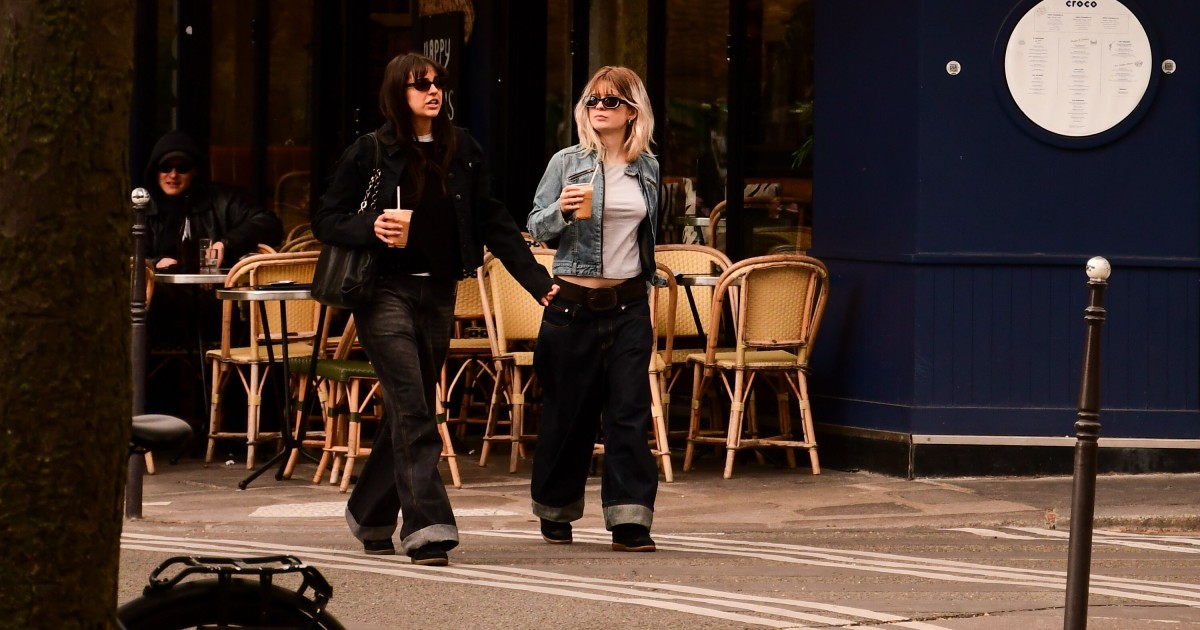
If you’ve ever traveled or lived in North Africa or parts of Europe, you’ve probably heard a natural mix of French and Arabic in everyday conversations. This blend—often called street conversation French Arabic for real life—is practical, fast, and deeply cultural.
To truly understand how people speak outside textbooks, this helpful guide is a great starting point:
👉 https://holidaytousa.com/street-conversation-french-arabic-made-simple-for-real-life/
It goes beyond basic phrases and shows how real people actually talk in markets, taxis, cafés, and neighborhoods. In this article, we’ll break things down in a simple, usable way—so you can start speaking naturally, not just correctly. French Arabic Street Conversation Guide 2026.
What Is Street French-Arabic Conversation?
Street-level French-Arabic is a hybrid communication style commonly heard in countries like:
- Morocco
- Algeria
- Tunisia
It blends:
- French vocabulary and structure
- Arabic dialect (Darija or Maghrebi Arabic)
Why It Exists
- Colonial history introduced French
- Arabic remains the cultural and native language
- Urban youth mix both naturally
👉 The result: a fluid, expressive, real-life language style that changes based on context.
For deeper cultural insights and examples, the complete real-life conversation guide explains this evolution in detail:
https://holidaytousa.com/street-conversation-french-arabic-made-simple-for-real-life/
Common Street Phrases You’ll Hear Daily
Let’s get practical. Here are phrases you’ll actually hear—and use.
Greetings
- Salam / Salam alikoum → Hello
- Ça va? → How are you?
- Labas? → Are you good? (Moroccan Arabic)
Casual Responses
- Ça va, hamdullah → I’m good, thank God
- Tranquille → Chill / all good
- Mashi mushkil → No problem
Street Interaction
- Chhal hada? → How much is this?
- Donne-moi ça → Give me that
- Yallah, on y va → Let’s go
These are just the basics. If you want a wider list with pronunciation tips, the full phrase breakdown here is incredibly helpful:
https://holidaytousa.com/street-conversation-french-arabic-made-simple-for-real-life/
How Conversations Actually Flow in Real Life
Textbooks teach structure. Streets teach rhythm.
Example 1: At a Shop
- You: Salam, chhal hada?
- Seller: Ça fait 20 dirhams, mais pour toi 15.
- You: Ah merci, donne-moi deux.
Notice how:
- Arabic starts the conversation
- French handles numbers or explanation
- Tone stays informal and fast
Example 2: With Friends
- Wesh, ça va? Labas?
- Oui tranquille, on sort ce soir?
👉 This mix feels natural—and that’s the goal.
To explore more real-life dialogues like these, check the complete street conversation examples here:
https://holidaytousa.com/street-conversation-french-arabic-made-simple-for-real-life/
Learn More: Complete Guide for Real-Life Conversations
If you’re serious about speaking naturally—not just memorizing phrases—this is where you go deeper:
👉 https://holidaytousa.com/street-conversation-french-arabic-made-simple-for-real-life/
Inside, you’ll find:
- Extended dialogues
- Cultural context
- Pronunciation tips
- Situational conversations (taxi, café, shopping)
It fills the gap between “learning a language” and actually using it confidently in the street.
Key Tips to Sound Natural (Not Like a Tourist)
1. Don’t Translate Word-for-Word
Mixing languages isn’t about grammar—it’s about flow.
2. Learn Tone and Body Language
Street conversations rely heavily on:
- Facial expressions
- Hand gestures
- Tone shifts
3. Start Small
Use short phrases like:
- “Ça va?”
- “Labas?”
- “Yallah”
4. Listen More Than You Speak
Spend time observing how locals switch between languages.
👉 The practical speaking tips in this guide can help you avoid common mistakes:
https://holidaytousa.com/street-conversation-french-arabic-made-simple-for-real-life/
Where You’ll Hear This the Most
Street French-Arabic isn’t formal—it lives in everyday spaces.
Common Places
- Local markets (souks)
- Cafés and street food stalls
- Taxis and public transport
- Friend groups and neighborhoods
Why It Matters
If you only know textbook French or Arabic, you may:
- Understand words
- But miss the meaning
Learning this hybrid style helps you:
- Connect faster
- Negotiate better
- Feel more confident
For a deeper dive into where and how these conversations happen, the detailed real-life guide covers it thoroughly:
https://holidaytousa.com/street-conversation-french-arabic-made-simple-for-real-life/
Common Mistakes Beginners Make
Overusing Formal French
Locals rarely speak like textbooks.
Ignoring Arabic Elements
Even basic Arabic words make a big difference.
Being Too Literal
Street language is flexible—not rigid.
Fear of Mixing
Mixing is the whole point—don’t avoid it.
Why This Skill Is Valuable in 2026
In today’s global world, hybrid languages are becoming more important.
Real Benefits
- Better travel experiences
- Easier social connections
- Improved cultural understanding
Growing Trend
With migration, social media, and global cities, mixed-language communication is rising fast.
Learning this style isn’t just useful—it’s future-ready communication.
FAQs: Street French-Arabic Conversations
Is this the same across all countries?
No. Morocco, Algeria, and Tunisia have different dialects and mixing styles.
Do I need to learn full Arabic first?
No. Start with common phrases and build gradually.
Can I use this in formal situations?
No. This style is strictly informal.
Is pronunciation important?
Yes. Even small pronunciation changes can affect meaning.
How long does it take to learn?
You can start basic conversations within weeks with consistent practice.
Conclusion: Speak Real, Not Perfect
Learning street conversation French Arabic for real life isn’t about perfection—it’s about connection. It’s the difference between sounding like a textbook and sounding like a human being in a real place.
If you want to go beyond basics and truly understand how people speak in everyday situations, explore the complete real-life conversation guide here:
https://holidaytousa.com/street-conversation-french-arabic-made-simple-for-real-life/
It’s one of the most practical ways to bridge the gap between learning and actually speaking with confidence. French Arabic Street Conversation Guide 2026.
Disclaimer:
This content is for educational purposes only. Language usage may vary by region, culture, and context. Always adapt your communication based on local norms and situations.